Supreme Court arguments on Monday suggest the Court will rule 6-3 or 5-4 that municipalities can ban sleeping on public property. The ruling will affect the entire nation.
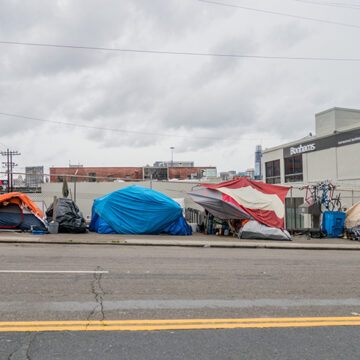


Supreme Court arguments on Monday suggest the Court will rule 6-3 or 5-4 that municipalities can ban sleeping on public property. The ruling will affect the entire nation.
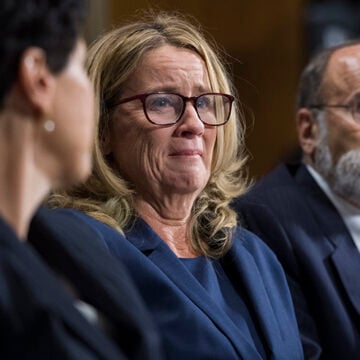
Christine Blasey Ford, the accuser in the infamous 2018 confirmation hearings for Supreme Court Justice Brett Kavanaugh, has written an unrepentant and incoherent book while showing no remorse for the ordeal she caused others and the nation.

Overall, the pro-life cause must be less concerned with short-term tactical disagreements and more concerned with unanimity as to the long-term goal.
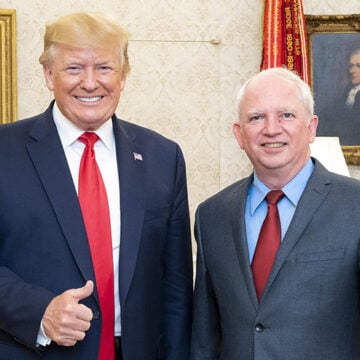
The ultimate aim of the Jacobins prosecuting and disbarring lawyers who represent high-profile Republican clients is the subordination of the rule of law and cowing into submission political opposition.
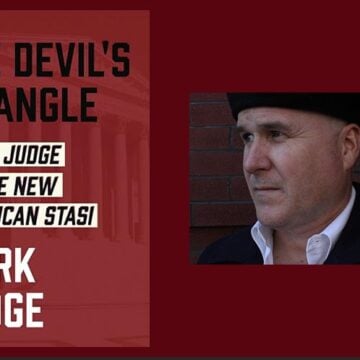
Christine Blasey Ford’s Kavanaugh hoax put both the justice and Mark Judge through the mill. We owe Judge a chance to try to rebuild his life.
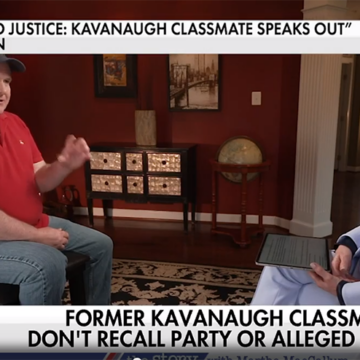
One thing I learned from my ordeal in the limelight of the Brett Kavanaugh hearings and Christine Blasey Ford’s accusations is that the truth is always more complicated than the narrative.

Christine Blasey Ford is out with a memoir no one asked for about her experience testifying against Supreme Court Justice Brett Kavanaugh’s confirmation. Her unconvincing story remains the same, but her face appears to be the beneficiary of her substantial cash windfalls.

One of the great ironies of our present age is that democracy's would-be eponymous outfit, the Democratic Party, has become an enemy of democracy itself.
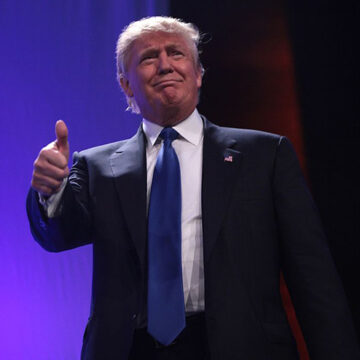
Trump's fight with our corrupt system is why his supporters can’t let him go. Who knows? It just might make him president again.
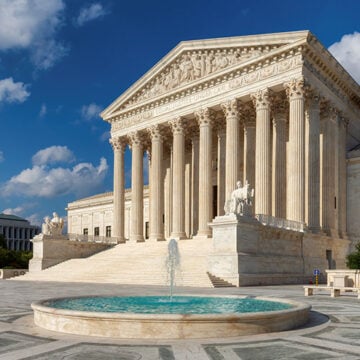
Following Monday’s ruling on the Colorado ballot case, the Supreme Court is likely to only hear cases that can be resolved with the support of the liberal justices, while avoiding those that expose the Court’s the political divisions.
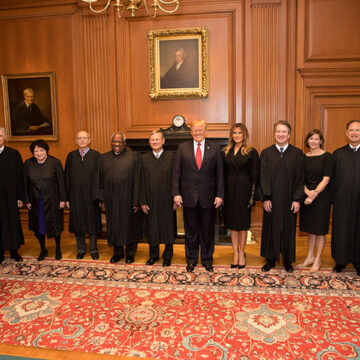
If Trump loses outright on the immunity issue, he will have himself to blame. He had the opportunity to nominate three Thomas/Alito-esque stalwarts. He whiffed.
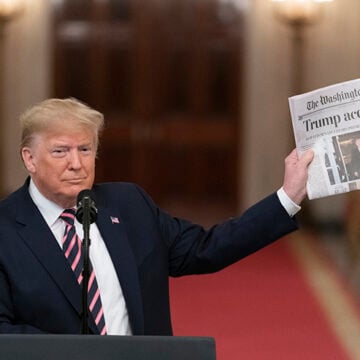
Democrats have led their supporters to entertain a fantasy of winning by disqualifying Trump rather than beating him, but the scenarios don't work, and lawfare only breeds strife.
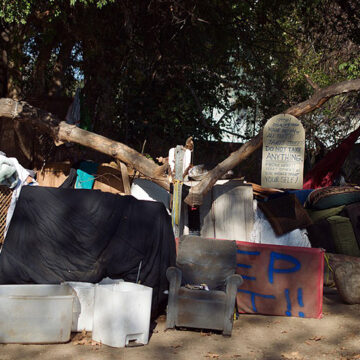
SCOTUS is expected to overturn a Ninth Circuit ruling allowing homeless encampments no later than June, freeing municipalities to restore order and safety to their streets. But cities will have the political will to do it.

Leagues like the NHL have made their moral stances clear—their millionaire star players may not engage in sports gambling, but hockey fans are subjected to over two hours of gambling propaganda during each broadcast.
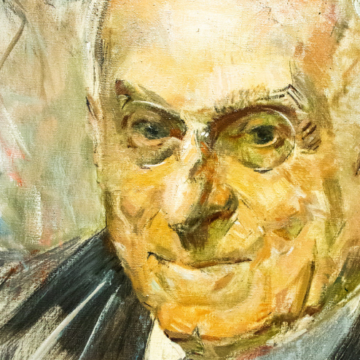
American law school faculty is often given to unwise and thoughtless hero worship, to which even Felix Frankfurter occasionally succumbed.
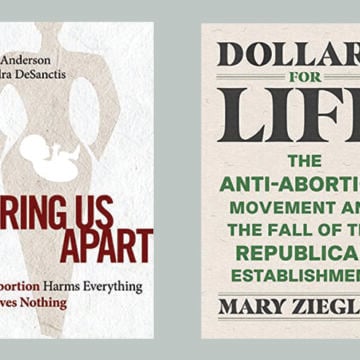
Short reviews of Tearing Us Apart, by Ryan T. Anderson and Alexandra DeSanctis, and Dollars for Life, by Mary Ziegler.
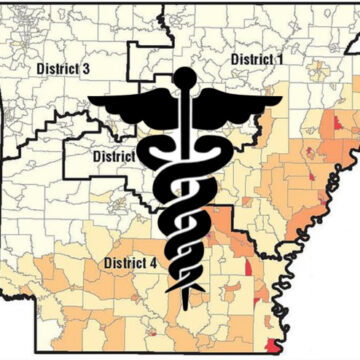
Affirmative action advocates aren't likely to stop trying to implement their racial politics even after the Supreme Court's decision. A "geographical diversity" law in Arkansas may be the model for the left's next move.
The Left's crocodile tears about the fate of "our democracy" can be easily explained by the fact that when Democrats and left-wing activists speak of "democracy," they really mean "progressivism."
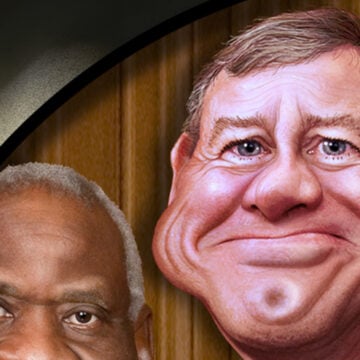
Chief Justice John Roberts' rejection of the racial discrimination of affirmative action is one of his greatest Supreme Court rulings. But unfortunately he left in a giant loophole that will allow colleges to continue to privilege blacks and Hispanics over Asians and whites.
A coordinated left-wing media smear campaign against conservative Supreme Court justices has one goal and one goal only: to delegitimize the U.S. Supreme Court, and to pave the way for ruinous policies that would irreparably damage, and ultimately destroy, that venerable institution.
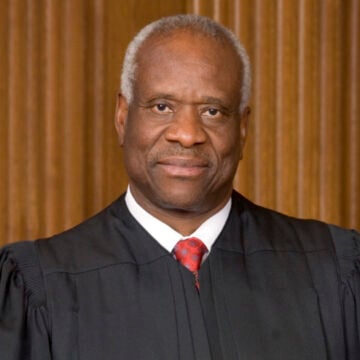
Liberals have never forgiven Clarence Thomas for refusing their patronage and their leash. As a Supreme Court Justice, he remains an unconquered American.
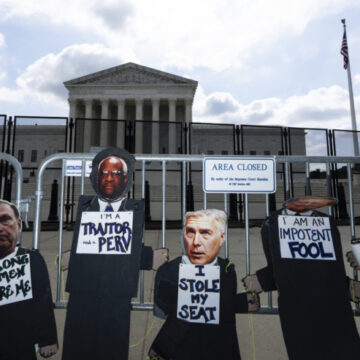
After Dobbs, the many-headed ruling class is licking its wounds … and itching for a rematch. The upcoming midterm election will measure the resistance to the Court's attempt to return to America's constitutional origins.
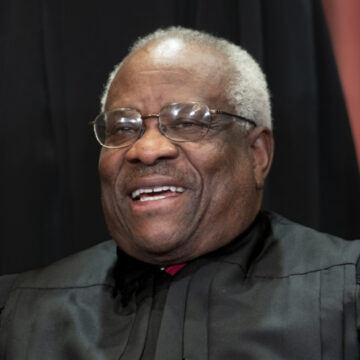
In addition to endorsing the overturning of Roe, Justice Thomas's concurring opinion on Dobbs threatens other due-process legal precedents, such as those that have guaranteed a fundamental right to homosexual behavior and gay marriage.
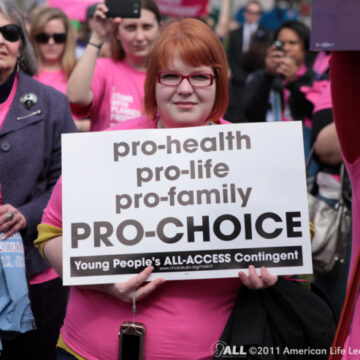
After the Roe reversal protests erupted all across the country, with the largest in New York, Chicago, and Los Angeles—cities in states with virtually zero probability that their lawmakers will pass laws restricting abortion.

The overruling of Roe v. Wade is a momentous achievement of the conservative legal movement and an act of great courage. The blowback will be fierce, but America is beginning to see a rebirth of the rule of law.
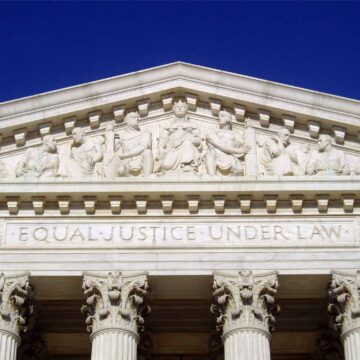
Progressives are worried that if Roe v. Wade is overturned, all their other agenda-driven, court-created rights will fall as well.
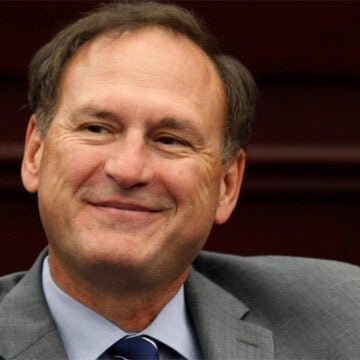
If Justice Alito’s mysteriously leaked draft opinion on the Dobbs case becomes official, it will overrule a whole line of dubiously reasoned federal abortion cases and will be the greatest victory for sensible jurisprudence in at least five decades.
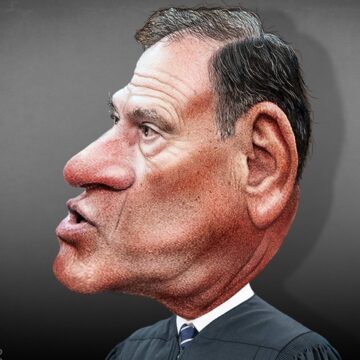
In February, five Supreme Court Justices voted in camera to overturn Roe v. Wade and send the issue of abortion back to the states, where it resided until 1973. Justices Clarence Thomas, Neil Gorsuch, Brett Kavanaugh, and Amy Coney Barrett had all signed on to the majority opinion overturning Roe that had been drafted by...
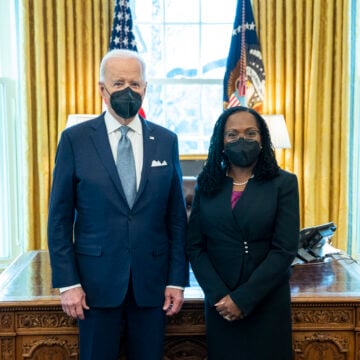
The elevation of Ketanji Brown Jackson to the Supreme Court formalizes state-sponsored injustice in the very institution charged with upholding justice.