The return of GOP’s minority-party mindset is very likely to be a self-fulfilling prophecy come November.


The return of GOP’s minority-party mindset is very likely to be a self-fulfilling prophecy come November.
When it comes to foreign policy America’s two political parties are split—not so much against each other—but against themselves.
The results of rejecting Kennan’s counsel have been disastrous, and the ongoing failure to draw upon his wisdom is a tragedy.

Since the collapse of the Soviet Union, the West has unsuccessfully tried to force its preferred topography of political memory upon former Eastern bloc nations.
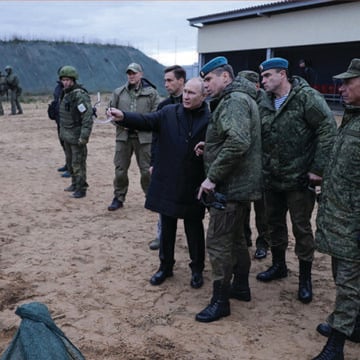
The war in Ukraine reflects an ongoing revolution in military affairs that started two decades ago but which needed a major conflict to become fully apparent. To put it in a nutshell, the battlefield pendulum has swung in favor of defense
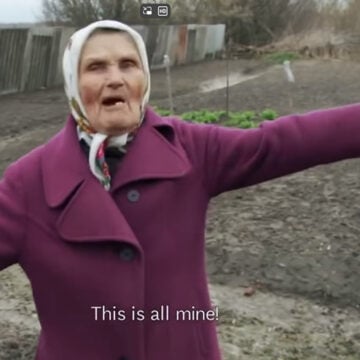
The lives of the babushkas in Chernobyl are evidence that God exists everywhere, and that while destruction can often reign supreme, creation, however small, affirms our propensity for the good.
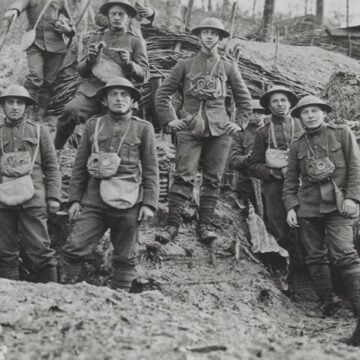
Events in Ukraine cannot help but remind observers of the haunting events of the spring of 1914.
Freedom House sees election corruption everywhere except in the U.S., where the government pays its bills, and the legal system coordinates with the administration to impoverish and imprison the conservative opposition.

Switzerland provides a model for a morally neutral foreign policy based on pragmatic interests rather than “defining values” and self-proclaimed exceptionality. Americans need to learn from the Swiss.
In the ongoing effort to redefine the government’s relationship with American citizens and obtain control over their political speech and choices, hoaxes surrounding Russia have been the go-to play.
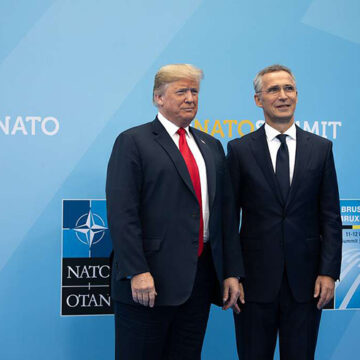
Now that Trump is the likely frontrunner in the next presidential election, Washington is forced to envision the possibility that he intends to curtail America’s commitments overseas.
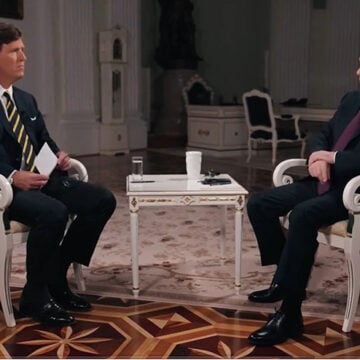
None of what Putin said is new to those who have closely followed the sad saga of post-Soviet Ukraine, but the tens, perhaps hundreds, of millions of people who will watch this interview because of the identity of the interviewer, are unlikely ever again to accept uncritically the standard narrative spewed out by Western regimes and their media lapdogs.

Today’s woke leftists would find the Soviet dictator far too muscular and manly to make room for him in their pantheon of girly government apparatchiks and petty tyrants.
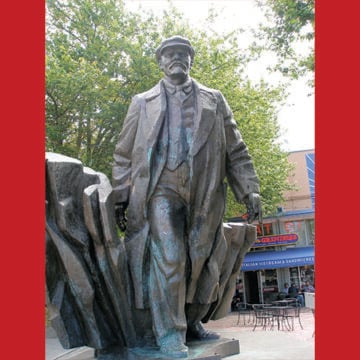
Vladimir Lenin, by his confidence and cunning, left his impression on history and remains relevant 100 years after his death.
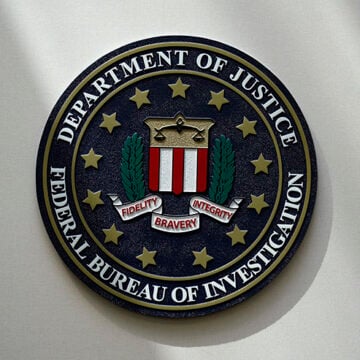
The Constitution was never intended to justify surveillance and political interference by un-elected bureaucrats.

The topic of Ukraine brings once-reputable journals and senior analysts down to the level of propagandistic hacks. A particularly egregious example was recently published in an online edition of Foreign Policy.
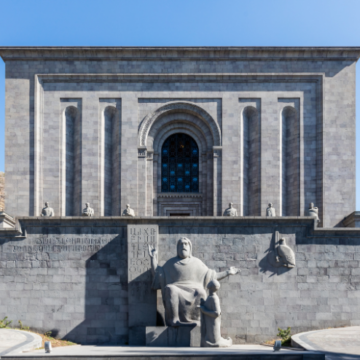
The ongoing war between Azerbaijan and Armenia threatens the existence of Christian communities in the Near East. The Biden White House is unlikely to intervene in any way for fear of losing support from Turkey.
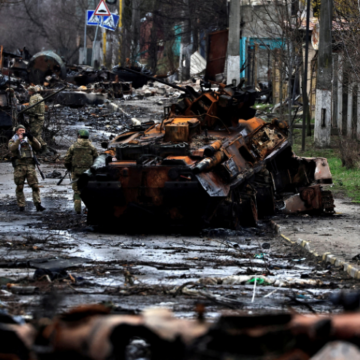
It is in the American interest to avoid the risk of direct intervention in Ukraine regardless of the course of the war because neither the security nor the prosperity of the United States depends upon its outcome.
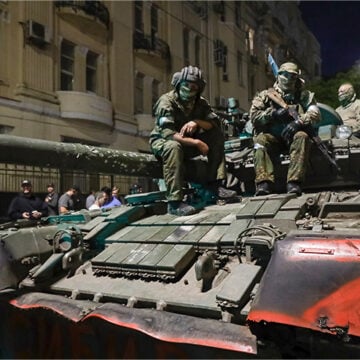
The aborted Wagner coup was an internal conflict within Russia's elites. Although resolved peacefully, it undermined Putin's authority and has increased the chance that he will be tempted to make risky moves—even nuclear ones.
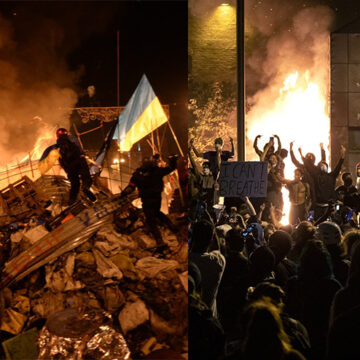
Ukraine and Russia were at peace until a civilizational divide: one chose the West and one chose Slavic-Orthodoxy. Samuel Huntington's "Clash of Civilizations" thesis has proven correct—and predicts a similar rift within America.
Chronicles Foreign Affairs Editor Srdja Trifkovic assesses the status of the Russo-Ukrainian War after the destruction of the Nova Kakhovka dam.
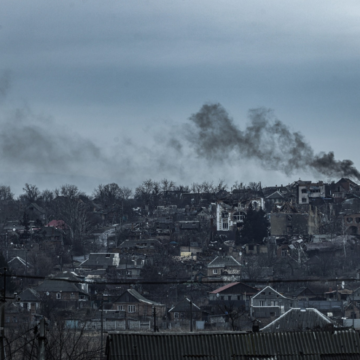
After the fall of Bakhmut, the moment of truth will come if the Ukrainian counteroffensive fizzles out, and especially if the Russians respond by starting a major advance of their own.

Antony Blinken is an inherently corrupt Washington insider: he is an ideologue who seeks permanent cultural revolution at home and the imposition of its fruits abroad.

Letters between Polish-American Chronicles columnist Tom Piatak and Polish national Michal Krupa, debating Poland's role in the Russo-Ukrainian War.

The Ukrainian campaign is not just the fight to retain strategic depth along Russia’s vulnerable southwestern flank; it is also the struggle to retain its status as a great power. The Biden administration is now more than ready for reckless escalation, a deadly game of chicken with nuclear stakes. The future is dark.
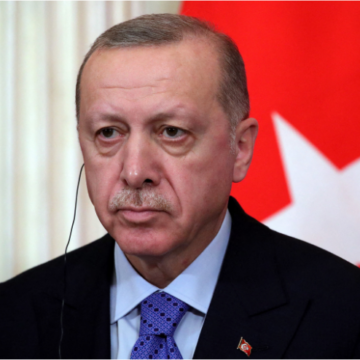
Recep Tayyip Erdoğan is a wily, seasoned politician who identifies Turkey with himself. Even his opponents privately admit that it is hard to imagine his orderly departure from the helm.
The foreign policy consensus between Europe and the U.S. leads only to unnecessary new wars abroad and to the suicide pact of multiculturalism at home.
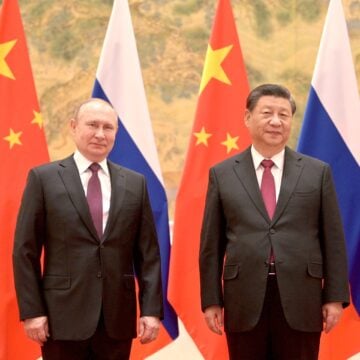
The International Criminal Court’s sham indictment of Vladimir Putin for war crimes is overshadowed by China’s truly historic rise in diplomacy.
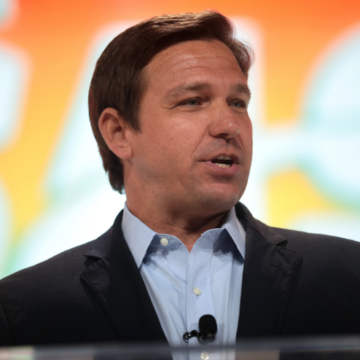
The truth is that the vitriolic reaction to Florida Gov. Ron DeSantis this week says everything about the foreign blob’s personal and vocational insecurities, and nothing about DeSantis’ call for measured prudence in Eastern Europe.

Unlike the rigid groupthink of the American conservative establishment, paleoconservatism offers latitude for serious debate grounded in time-honored principles.
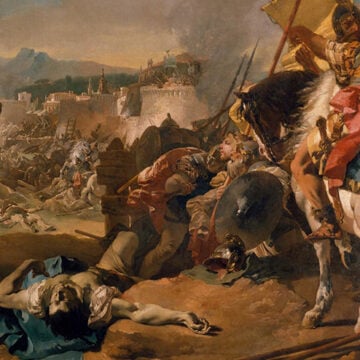
The Ukrainian invasion may not have happened if the American government had not tried to push NATO to the borders of Russia. Conflict happens in international relations and does not require woke ideological hysteria as a response.
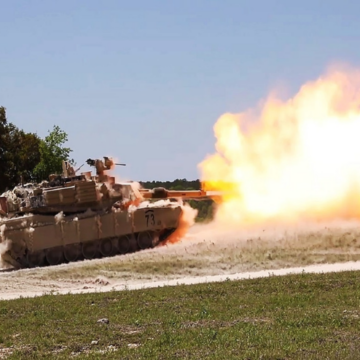
The war in Ukraine was started by Russia, but it was willed, engineered and choreographed by the U.S.-led West. It is both a mistake and a crime, a minus-sum game for the declining European remnant.
It appears the U.S. government has attacked the civilian infrastructure of a NATO ally for the purposes of maintaining geostrategic advantage over both Europe and Russia, revealing the utter moral bankruptcy of U.S. foreign policy.
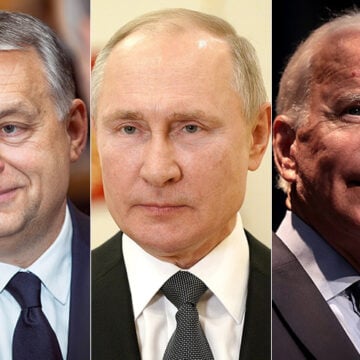
Three speeches given on the eve of the one-year anniversary of the Russo-Ukrainian War reveal that the most principled voice of realism and moderation is coming from a small European nation, Hungary, whose leader is keeping his nation out of the unfolding tragedy.
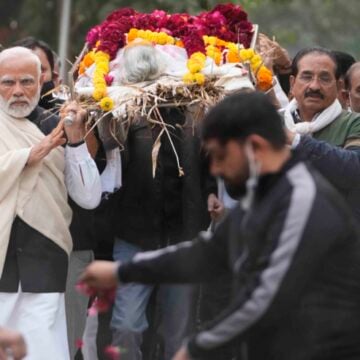
India's Prime Minister Narendra Modi is an unabashed realist who has been using the crisis between Russia and the collective West to increase his country’s global clout.
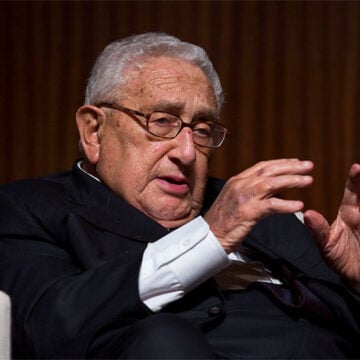
The war in Ukraine is most unlikely to end in a negotiated compromise because a mutually acceptable agreement is structurally impossible. It will continue until one side concludes that its continuation is not worth the cost.
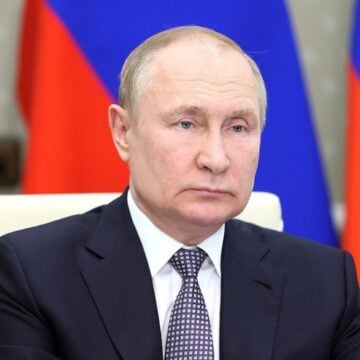
Putin must go if Russia is to recover from the current impasse created by him, if she is to avoid becoming China’s supplicant, or a brutally carved-up Western colony.
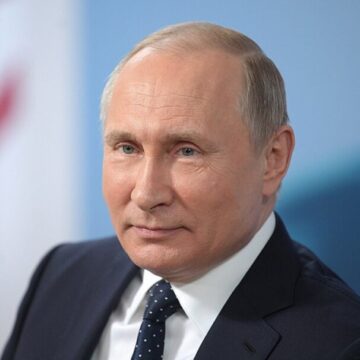
Vladimir Putin intends to conscript the coming winter of 2022-23 as an ally of his failing army—a strategy that has worked for Russia is past conflicts.
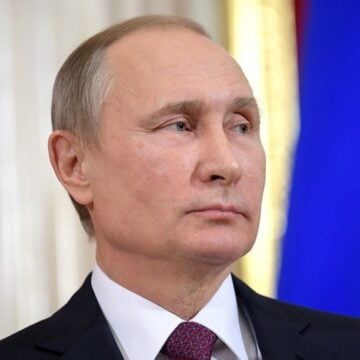
Putin's abandonment of Kherson, the only regional center that Russia managed to capture in over eight months, was an unforced error that will erode his ability to stay in power.
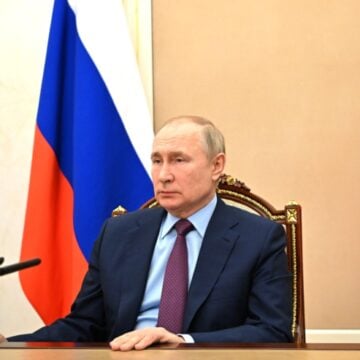
Vladimir Putin lacks the kind of grand vision and decisive temperament needed to make Russia a highly respected world power in the current global environment.
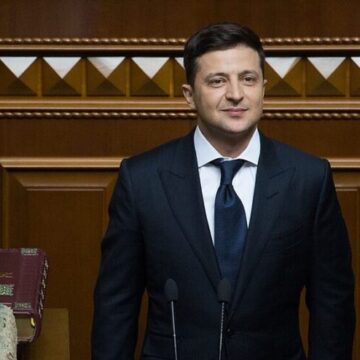
Russia’s claim about Ukraine’s intent to detonate a false-flag dirty bomb is one more narrative in a long line of political narratives that bombard the average citizen.
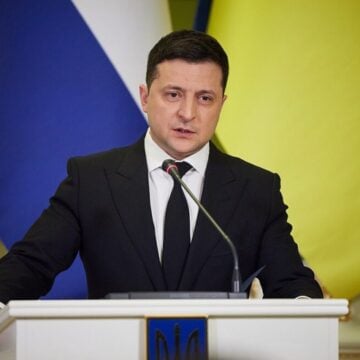
The closer Putin comes to defeat, the closer America comes to nuclear war, for that increasingly appears to be the only way Putin can prevent a Russian defeat, disgrace, and humiliation.
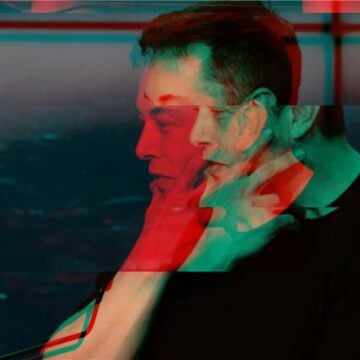
Elon Musk found out the hard way that the foreign policy elite demands total compliance and consensus for its interventionism. His peace proposal drew their ire because they want war.

The capitulation of Germany’s elite to the Woke Empire led by the U.S. could mean a dark future of deindustrialized insignificance for the country.
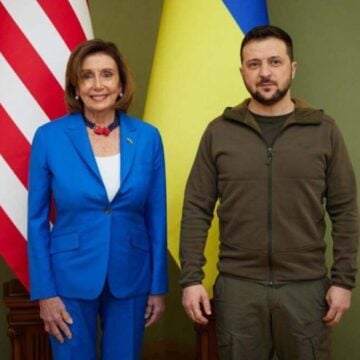
Americans do not—and should not—care whether an ethnically divided, strategically unimportant, historically contested Slavic subregion or two in eastern Ukraine ultimately takes orders from Kyiv or Moscow.
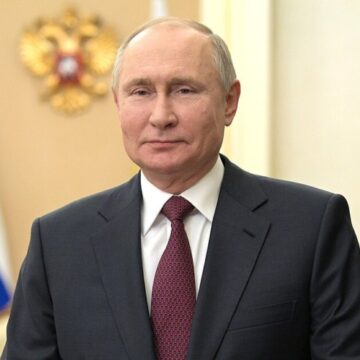
Putin intends to conscript thousands to defend newly annexed regions and will not rule out the use of nuclear weapons.
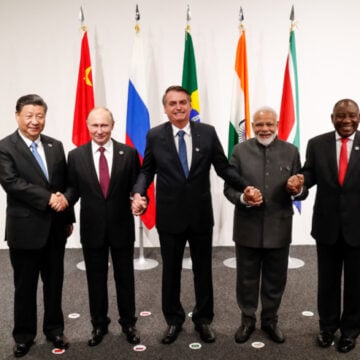
The realignment of global forces resulting from the war in Ukraine is certain to confront American hegemony and to undermine the status of the U.S. dollar as the world’s reserve currency.
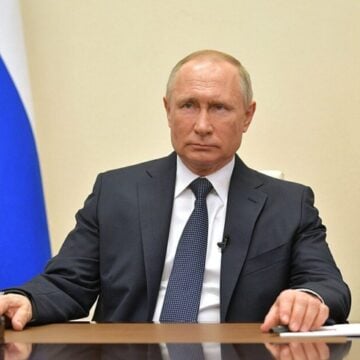
The limited mobilization of Russian troops in the Ukraine conflict is the natural result of Putin’s hesitant and risk-averse leadership. It makes sense only if it is the first step toward total mobilization, both military and economic.
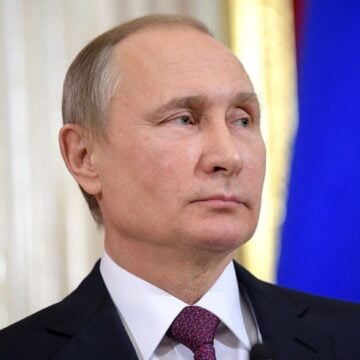
In Putin’s War, the tide is turning against the Russians, and Putin faces the prospect of having been the ruler who launched Russia's least necessary war. His situation is growing desperate.
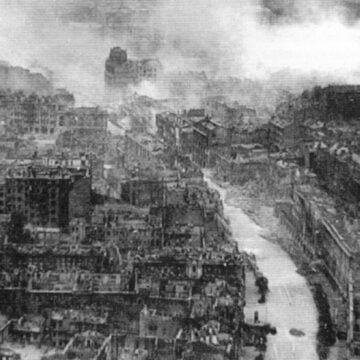
One of the forgotten casualties of the war in Ukraine, as in all wars, is the loss of high-cultural monuments and works of art.